New this fall

Afternoons worth looking forward to.

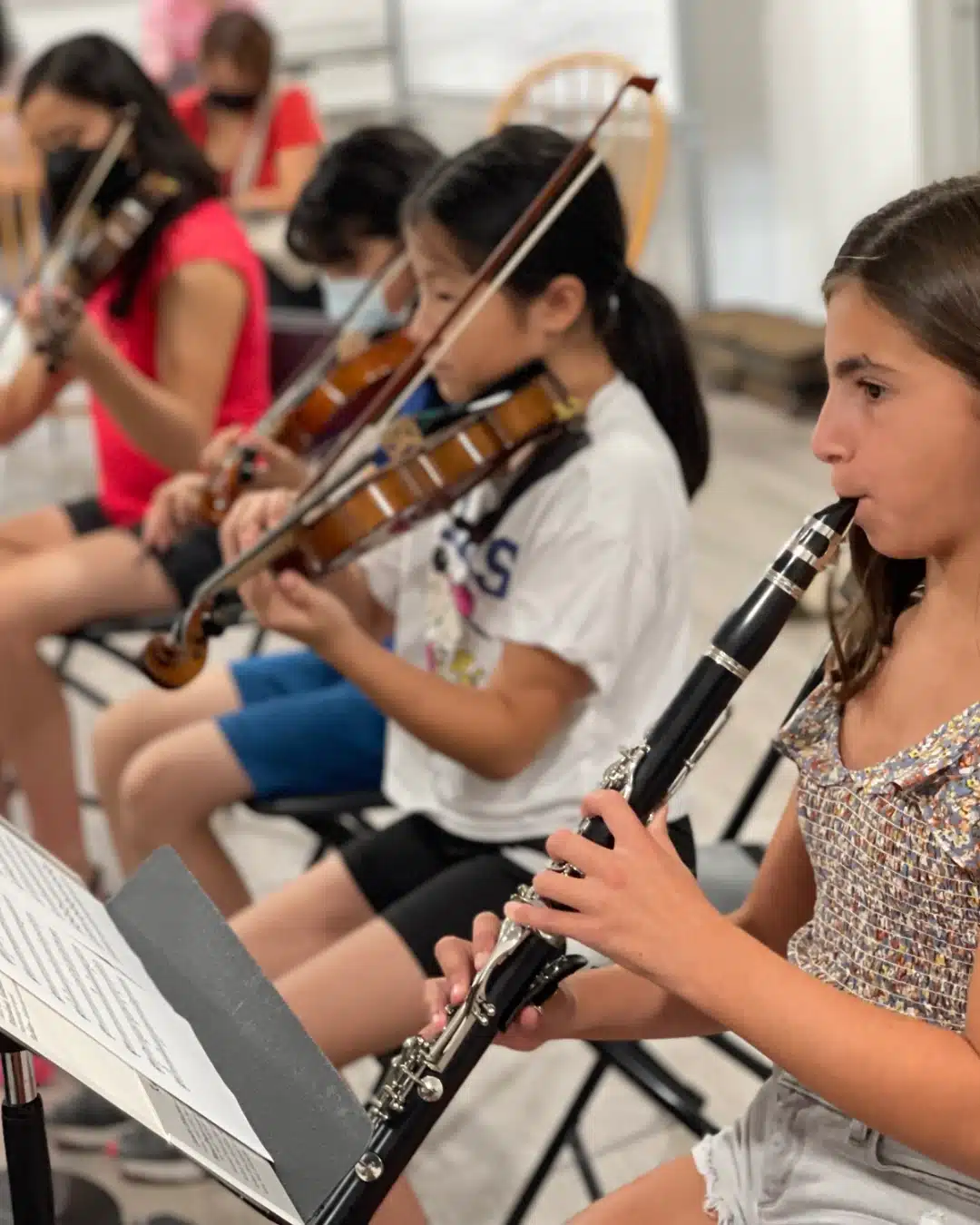
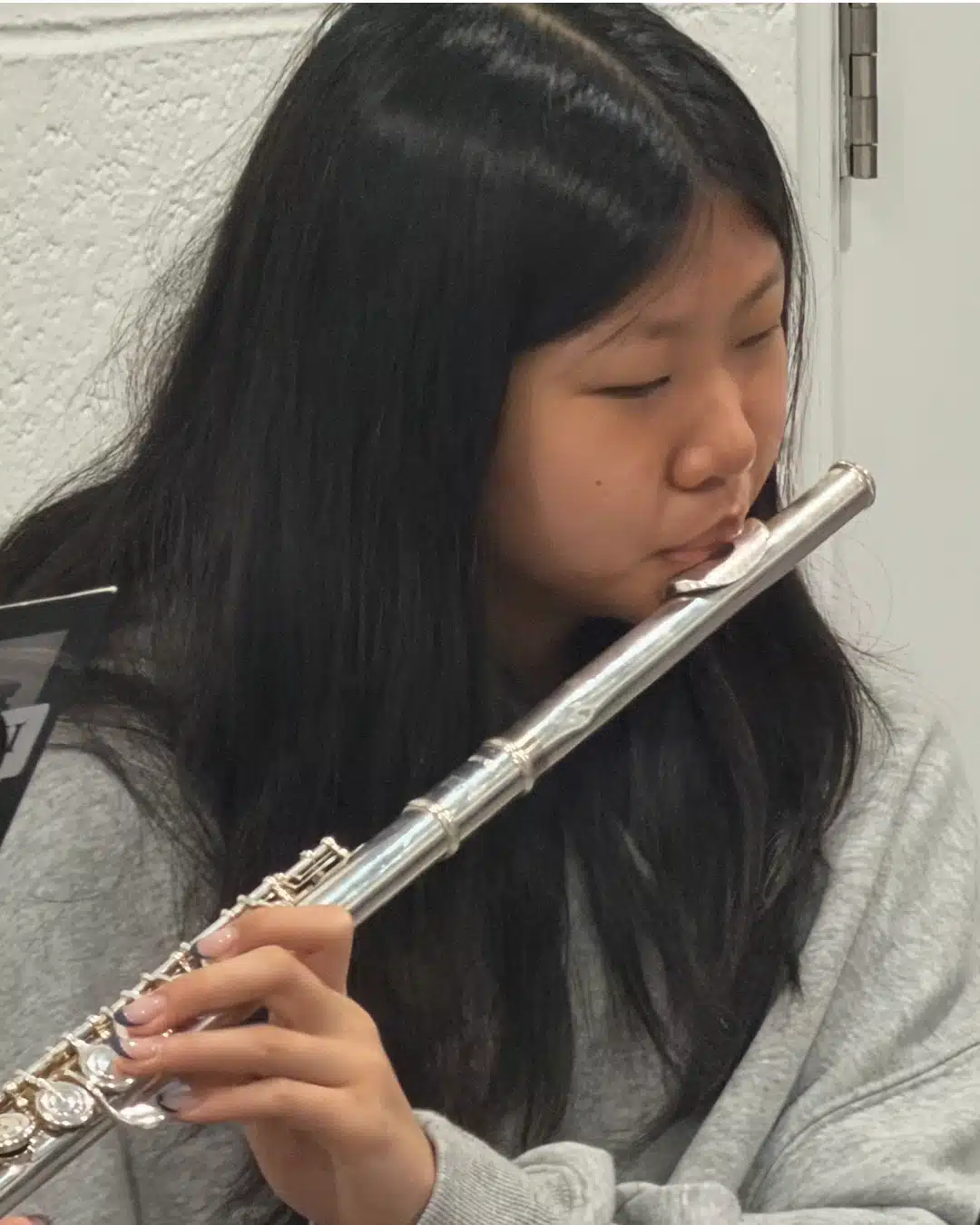
The COS After School Program runs Monday through Friday, 3:00 to 7:30pm in Syosset. Ages 5 to 18. Lessons on the instrument your child chooses, ensembles with other kids, and time to write music of their own.
Portrait · a child arriving with an instrument case, late afternoon light, medium shot
The basics

Everything a parent asks first.

School lets out at three and the afternoon stretches out ahead of it. This is what fills that gap.
Ages
5 to 18
Days
Monday through Friday
Hours
3:00 to 7:30pm
Where
Community Church of Syosset
Experience
None needed
A COS afternoon

Three things happen every day.

A Lesson

Time with a teacher on the instrument your child picked. Beginners start at the beginning. Children who already play get pushed further than they would be at school.

An Ensemble

Music here is a team sport. Children play together, listen to each other, and learn to hold their own part while five other parts move around them.

Their Own Music

Children write songs. You learn how a piece is put together by putting one together, and that is a different kind of understanding than playing someone else’s notes.
What they can play

Pick an instrument.

Children who have never held an instrument are welcome. So are children who have played for years and want somewhere serious to keep going.
Violin
Viola
Cello
Bass
Flute
Oboe
Clarinet
Bassoon
Trumpet
French Horn
Trombone
Tuba
Percussion
Piano
Guitar
Voice
Why it helps at school

Music lessons change how a child’s brain works.

This is one of the few claims about children’s activities with real experimental evidence behind it. In a study published in Frontiers in Neuroscience, 147 primary school children were followed for two and a half years and randomly assigned to music lessons, visual art lessons, or neither. The children in the music groups improved significantly in planning, inhibition and verbal intelligence compared with the others, and the researchers traced a path from those gains through to better academic scores.
At Northwestern, Nina Kraus and her team measured children’s brains directly with electrodes rather than with pencil and paper tests. After two years of music lessons the children could tell similar speech sounds apart more precisely. That is the same neural machinery reading and language depend on.

Detail · a child’s hands on an instrument mid lesson, close, natural light

It shows up in their schoolwork.

Two findings from that research shaped how this program runs. One year of lessons was not enough to produce the change. And the children who played an instrument improved more than the children who only listened. So the program meets five days a week, and every child plays.
Community music programs can literally remodel children’s brains.
Nina Kraus, Auditory Neuroscience Laboratory, Northwestern University
Wide · a full ensemble rehearsing late afternoon, the room busy with instruments
Who is teaching

A teacher matched to your child.

Many of the teachers here also teach the Saturday program. Where a child plays something COS does not cover on a Saturday, a teacher is brought in for that instrument. The point is that your child gets the right teacher for what they play, not whoever happens to be free that afternoon.
The Children’s Orchestra Society has taught children in this area since 1962, under Dr. Yeou-Cheng Ma and Michael Dadap. Its students perform each spring at Alice Tully Hall, Lincoln Center. A child who starts in the afternoons can audition for the orchestras when they are ready.

Never Played Before?

Most children start that way. The first weeks are about finding an instrument that fits and learning to make a sound you like.

Already Playing?

Bring what you have. The afternoon can be serious practice time, chamber music, and preparation for auditions.
Note for COS
Still to confirm before this page goes live: tuition, and whether a place is booked by the day, the week or the term; the start date for fall 2026; the registration route, including whether the existing enrollment form covers this program; whether snack and homework time are part of the afternoon; the pickup and sign out procedure; the staff to child ratio; instrument rental; and whether scholarships and financial aid apply here. Nothing on this page has been guessed. The button currently goes to the contact page because the registration path is not yet decided.

Tell us about your child.

Places are limited by instrument and by teacher availability. Reserve a spot and we will confirm what is open for your child.